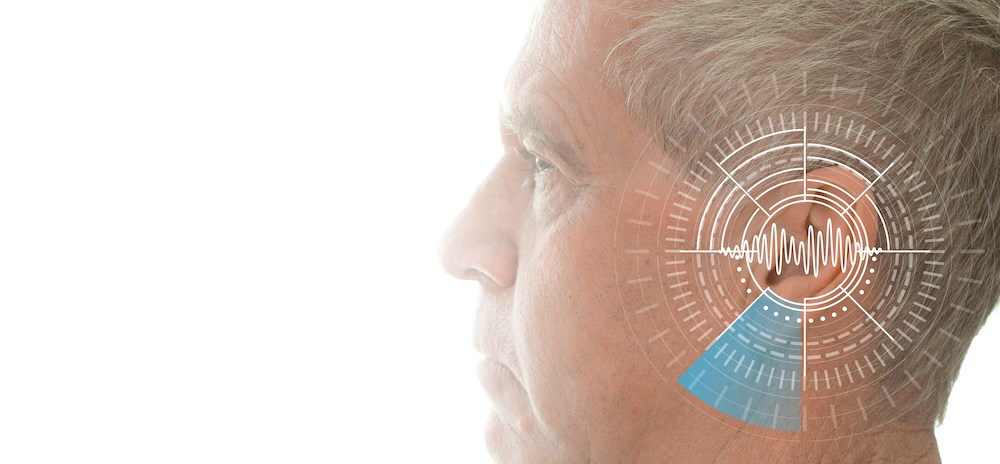
Hearing loss doesn’t usually start with not being able to hear.

It starts with small adjustments you make without really thinking about them. You turn on captions out of habit. You pick a seat where you can see people’s faces. You laugh along in a group conversation because following every word has gotten to be more work than it’s worth.

None of those things feel like warning signs in the moment. They just feel like what you do.

The tricky part is that those small adjustments can go on for quite a while before anything feels obviously wrong. Your hearing still feels mostly fine, because you’ve gotten good at working around the parts that aren’t.

But those workarounds add up, and they start showing up in places you might not expect, in how tired you feel after social time, in how often you’re asking people to repeat themselves, in the quiet relief of being somewhere you don’t have to work so hard to keep up.

Most people are surprised by how long that’s been going on once someone actually points it out.

What Causes Hearing Loss?

Damage to the delicate parts of the inner ear happens for many reasons. When you understand the source of the change, you and your audiologist can choose the most effective way to manage the condition.

Several factors contribute to the breakdown of how we process sound:

  • Natural aging: Tiny hair cells in the inner ear that catch sound waves lose their function. This is the most common cause of hearing loss and usually affects high-pitched sounds first.
  • Noise exposure: Loud sounds from power tools, music or heavy machinery can cause permanent damage. This happens from one loud blast or from years of steady noise in a workplace.
  • Health conditions: Issues such as high blood pressure or diabetes can affect the blood flow to the ear. When the ear does not get the oxygen it needs, the nerves suffer.
  • Genetic factors: Family history plays a part in how well ears hold up over time. Some people are simply more prone to inner ear wear than others.
  • Physical blockages: Sometimes the issue is not permanent. Earwax buildup, fluid from a cold or a perforated eardrum can prevent sound from reaching the inner ear.

What Are the Easiest Signs of Hearing Loss to Miss?

Hearing loss often creeps up in small ways that you might dismiss as a lack of focus. Because the change happens slowly, you may start to rely on guesswork to stay part of a conversation without even realizing it. Noticing these subtle shifts early helps you deal with the issue before it starts to wear you down.

The following signs are some of the most common indicators that your hearing needs a check:

  • Muffled speech: Voices sound like people are talking through a wall.
  • Trouble hearing on the phone: You struggle to have conversations without physical cues.
  • Constant repetition: You ask others to speak up or repeat themselves throughout the day.
  • Higher volume: The TV or radio stays at a level that others find too loud.
  • Ringing ears: A steady buzz or whistle that does not go away.
  • Mental drain: You feel exhausted after a simple dinner or a meeting from the effort to hear.

Not Hearing Conversations Clearly

Difficulty understanding speech can show up in different ways. You might notice that parts of sentences or certain words seem to drop out, especially when people speak quickly, mumble or when there’s background noise.

In group settings, this can make following conversations feel overwhelming, and you may only catch bits and pieces. Sometimes these changes go unnoticed because you rely on context, lip-reading or familiar voices to fill in the gaps.

Identify and note situations where you miss words, struggle to follow discussions or find yourself asking people to repeat themselves. Having a good idea of the environments and issues you face most often will enable your audiologist to better evaluate your hearing.

Trouble Hearing on the Phone

Difficulty hearing during phone calls is a common early sign that often goes unnoticed. You may find that voices sound muffled or unclear, or you need to ask callers to repeat themselves more often.

Sometimes, it feels like the person on the other end is speaking softly, even when the phone volume is turned up. This often becomes more noticeable when using a cell phone or talking to people with softer voices. If phone conversations are becoming harder to follow, your hearing may have changed.

Asking People to Repeat Themselves More Frequently

You might find yourself saying “What?” or “Can you say that again?” more often than before. It can happen when someone speaks quietly, mumbles or when there’s background noise.

Moments like these can be frustrating and make conversations feel harder to engage in.

Sometimes you don’t notice it right away because your brain fills in the missing words or guesses what was said. You might think you understood the conversation, even if small details slipped by, so it can take a while before you realize you’re asking for repeats more often than before.

Increasing the Volume on Television or Radio

Turning up the volume on the television or radio is another common early sign. You may find that shows or music seem too quiet at normal settings, even though others in your home think the sound is already loud.

Family members might comment about the volume being higher than usual. If you are spending more time enjoying these devices on your own, you may not even realize how loud everything is. This change often happens slowly and can be easy to overlook.

Noticing Ringing or Buzzing Sounds Others Do Not Hear

Tinnitus is the perception of sound when no external sound is present. People often describe it as ringing, buzzing, hissing or humming in the ears. It often appears alongside hearing loss because the hearing system is no longer sending the brain the full range of sound it expects.

When certain sounds are missing, the brain may respond by creating its own internal noise. This is why many people who notice tinnitus also have some level of hearing loss.

This symptom is easy to overlook at first. The sound may be soft, occasional or only noticeable in quiet spaces, like when the house is quiet at night. Many people assume it is temporary or simply part of routine life and do not think much about it.

Others become so used to the sound that they stop noticing it unless they focus on it. Because of this, tinnitus can be present for quite a while before someone realizes it may be related to their hearing.

Feeling Tired After Social Events from Listening Harder

Social situations can feel unusually tiring when hearing becomes more difficult. Your brain has to work harder to keep up with what people are saying, especially in busy places with several voices or background noise.

Instead of speech coming through clearly, your brain fills in gaps, sorts through competing sounds and tries to keep track of the conversation at the same time.

That extra effort can leave you feeling mentally drained after gatherings, meals with friends or long conversations.

This sign is easy to miss because it does not always feel connected to hearing. You might assume you are just tired from a long day or that social events naturally take a lot of energy.

Many people push through the fatigue or start avoiding longer conversations without realizing that the extra work their brain is doing to understand speech is what is wearing them out.

What Are the Threats of Untreated Hearing Loss?

A quiet world is not the only result of ignored hearing loss. Your brain and your body change how they interact with your surroundings when you cannot hear clearly. These changes happen slowly, but they often impact your overall health and your daily life in ways that are hard to reverse.

The following risks are some of the most serious results of leaving hearing loss alone:

  • Cognitive decline: Your brain works much harder to decode speech. This leaves less energy for memory and thought. This constant strain can speed up memory loss and increase the risk of dementia.
  • Emotional strain: The effort to hear leads to frustration, anxiety and a sense of isolation. Many people feel a loss of autonomy when they can no longer follow a story or join a joke.
  • Social withdrawal: You might turn down invites or avoid friends to avoid the struggle of a noisy room. This isolation often leads to depression and a smaller social circle.
  • Safety risks: Hearing is a vital warning system. You might miss a smoke alarm, a car horn or the sound of someone who walks up behind you.
  • Balance issues: The inner ear controls your sense of balance. Damage to this area makes you more prone to trips or falls.
  • Physical health: Untreated loss is often linked to higher blood pressure and heart issues. The stress of the condition takes a toll on your entire system.

How an Audiologist Can Help You

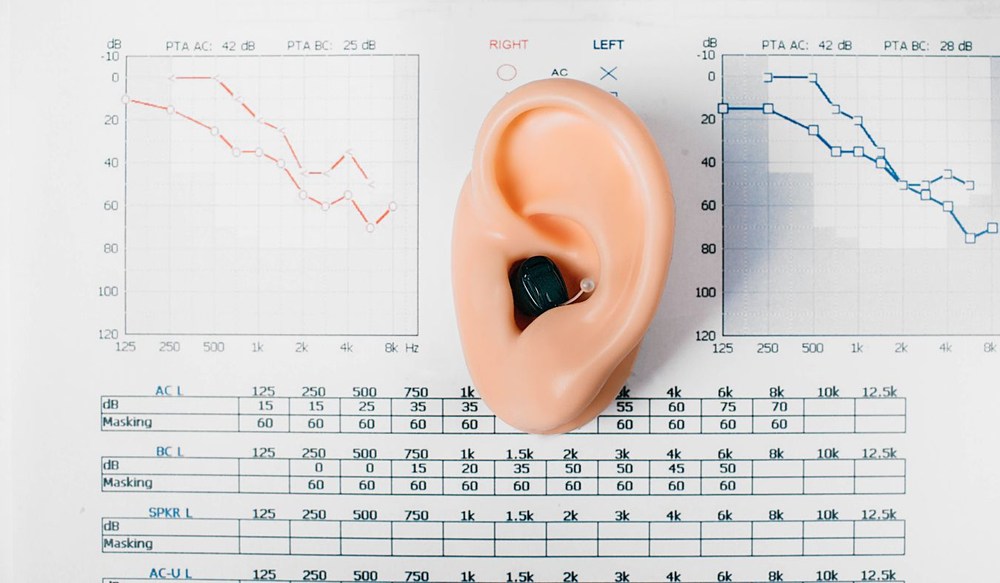
An audiologist identifies the specific nature of your hearing loss through a thorough exam. They test how well you hear different pitches and how clearly you understand speech in various environments.

This data determines if your issue stems from a permanent change in the inner ear or a temporary blockage. Once they have all your results in front of them, they provide a clear explanation of your hearing health and discuss the best options for your specific situation.

If treatment is necessary, a specialist recommends hearing aids that match your level of loss. They do more than just provide a device; they program the technology to amplify the exact sounds you miss.

They also ensure the physical fit is comfortable and provide follow-up care to adjust the settings as your brain adapts to new input. This precise calibration helps you avoid the mental fatigue and safety risks associated with untreated loss.

Address Your Hearing Concerns With Our Team

You’ve probably already noticed something, otherwise you wouldn’t be here. That matters. Most people spend a lot of time talking themselves out of what they’re already sensing, and getting it checked out is a lot simpler than the mental back and forth that comes before it.

At Brentwood Hearing Center, we work with people in Nashville and Brentwood, TN who are exactly where you are right now, somewhere between suspecting something and wanting to know for sure. Give us a call at (615) 866-0431. We’ll take it from there.