
Should I Get a Hearing Test After Starting New Medications?
Around Greater Nashville, music is part of the background of daily life,

By: admin | October 27, 2026
Around Greater Nashville, music is part of the background of daily life, from the radio on your commute to a songwriter night with friends. Because of that, a lot of people here know their favorite songs well enough to notice when something sounds different.
Maybe a favorite song suddenly sounds a little flat, or you notice ringing during a quiet part that was not there before. Most people would blame the speakers, the room or a long day. If it started soon after a new medication, though, it is worth paying attention to the timing.
Some prescriptions and even common over-the-counter drugs can affect hearing or balance. The changes are often small at first, like buzzing in your ears, a muffled feeling or a little unsteadiness on your feet.
Most people don’t connect those symptoms to the pill bottle on the kitchen counter. Your doctor may not hear about them either, since they seem too minor to bring up. Left alone, some of those changes fade and others stay, and it’s hard to tell which is which without a baseline.
Some medications are known to affect hearing or balance in certain people. These are often described as ototoxic medications because they may affect structures inside the inner ear. The risk depends on the specific drug, dose, length of treatment and your overall health.
Certain antibiotics used for serious infections, some chemotherapy drugs and particular diuretics are among the medications associated with hearing changes. High doses of aspirin and some other pain relievers have also been linked with temporary ringing or changes in hearing. That does not mean everyone who takes these medications will have a problem.
What matters is noticing anything that feels different after treatment begins. New ringing, muffled hearing or balance trouble should be mentioned to the doctor who prescribed the medication. Your audiologist can evaluate the hearing side of the problem and share those findings with your medical team.
Medication-related hearing changes do not always start dramatically. Sometimes the first clue is that voices seem less clear, one ear feels different or a new ringing sound appears. Those changes might show up soon after treatment begins or develop gradually.
Watch for symptoms like these:
A hearing change from a medication isn’t always permanent. Sometimes it clears up once your doctor changes the dose or the drug is out of your system. High doses of aspirin, for example, can cause ringing that usually goes away once you cut back with your doctor’s OK.
Other medications can do lasting damage to the inner ear. Once the tiny hair cells in there are hurt, your body can’t grow new ones. So if a change sticks around, get it checked instead of waiting to see if it fades.
A professional audiologist can document what has changed and compare new results with earlier hearing tests. The prescribing doctor then uses that information alongside the rest of your medical picture. Those are two different parts of the same decision-making process.
Risk is not the same for everyone. Age, kidney function, dose and treatment length all influence how the body handles certain medications. Taking more than one potentially ototoxic drug at the same time may also increase concern.
Kidneys are especially important because they help clear many medications from the bloodstream. If that process slows down, drug levels may stay elevated longer. Your prescribing doctor considers those factors when managing treatment.
Longer courses and higher doses may also increase exposure to the inner ear. That is one reason some patients receive hearing monitoring during treatment. The purpose is to spot a change early enough for the medical team to review what is happening.
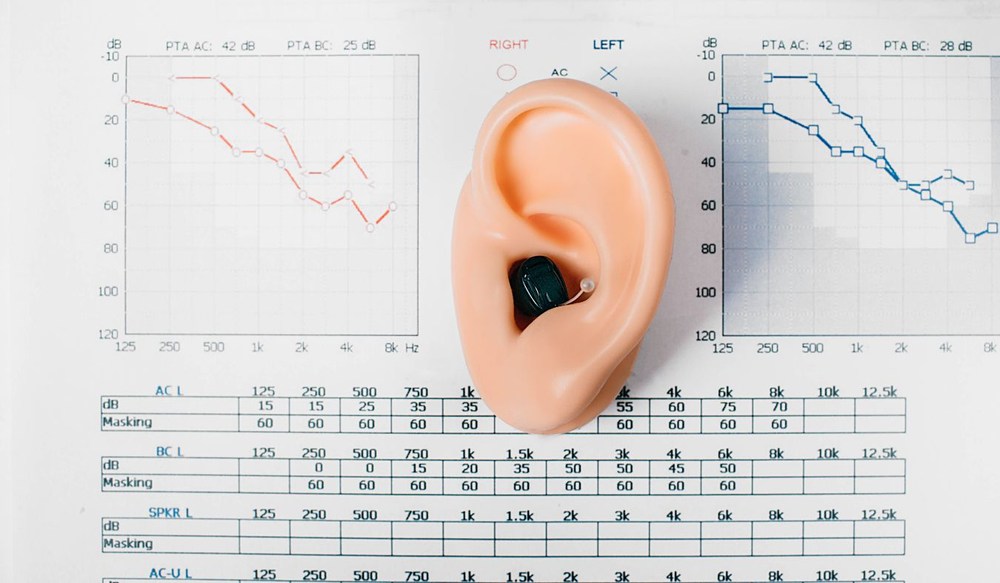
If you’re starting a treatment that can affect hearing, it helps to get tested first. That test shows how well you hear at different pitches before the medication has a chance to do anything. Later on, your audiologist can compare new results against it and spot changes much sooner.
Follow-up testing is especially useful when treatment continues over several weeks or months. Your audiologist can compare the new results with the baseline instead of relying only on how different things seem. Even a small shift becomes easier to document when there is an earlier test for comparison.
If a change does show up, your audiologist shares that information with the medical team managing the medication. The audiologist does not change the prescription. The doctor overseeing treatment decides whether anything about the medication needs to be reviewed.
You do not need a hearing test every time you start a prescription. But if ringing, muffled sound or a noticeable change in one ear shows up, it is worth paying attention. The timing matters, especially if the change started soon after a new medication or dose change.
Your audiologist can write down what’s changed and line it up against any past hearing tests you’ve had. Then the doctor in charge of your medication has actual results to look at instead of just your description.
People with other health concerns or multiple prescriptions may already be monitored more closely by their medical team. In those cases, hearing testing sometimes becomes part of that follow-up. The audiologist tracks the hearing changes, while the prescribing doctor handles decisions about the medication.
The appointment usually starts with a conversation. Your audiologist will ask what you have noticed, when it started and whether anything changed with your medications around the same time. Bring an updated medication list so you do not have to remember every name or dose on the spot.
Your ears will also be checked for excessive earwax, irritation or anything else that could affect what you are hearing. From there, testing looks at how softly you hear different pitches and whether sound is moving through the ear normally. The results help separate a true hearing change from something like wax or a middle ear problem.
For people across the Greater Nashville area, those changes often become noticeable during normal routines. Maybe voices seem less clear at dinner, music sounds different or conversation takes more effort than it did before. Those details matter just as much as the numbers from the test.
Timing can make a medication seem like the obvious cause, but other things may be happening at the same time. Earwax, congestion, middle ear fluid, noise exposure or an unrelated hearing change can all affect how things sound.
That is one reason the hearing evaluation matters. Your audiologist looks for other explanations instead of assuming the prescription is responsible. The prescribing doctor then considers those findings along with the medication, dose and rest of your health history.
Sometimes the medication is part of the picture, and sometimes it is not. Sorting that out first helps avoid unnecessary changes to a treatment you may still need.
Medication is not the only thing affecting your ears, so this is a good time to avoid piling extra stress on top of them. Loud concerts, power tools and long stretches around heavy noise all add another source of strain. Hearing protection matters even more when your medical team is already watching for possible changes.
Keep taking your medication exactly as your doctor prescribed unless they tell you otherwise. Do not lower the dose, skip pills or stop treatment because your ears feel different. Instead, tell the prescribing doctor what you are noticing and let your audiologist document the hearing side of it.
It also helps to keep track of anything new. Ringing that starts suddenly, one ear sounding different or balance changes are all worth mentioning. You do not need a detailed journal, just enough information to explain what changed and when.
A change on the hearing test does not automatically tell you what should happen with the medication. Your audiologist will explain what shifted and how much of a difference there is from earlier results. That information then goes back to the doctor managing your treatment.
Depending on what the medical team finds, the next step might involve closer monitoring, additional hearing tests or a review of the medication plan by the prescribing doctor. If the hearing change appears lasting, your audiologist can also talk through ways to make communication easier.
That might include hearing aids or other hearing technology if the change begins affecting conversations. The important part is that everyone is working from the same information. Your audiologist tracks the hearing, while your doctor handles the medical treatment.
If you notice a change in your hearing or balance after starting a new medication, don’t stop taking it on your own. Let the doctor who prescribed it know what you’re experiencing, since they’re the one who can decide whether anything should change.
A hearing test adds solid results to that conversation. If you’re about to start a medication known to affect hearing, testing beforehand gives you a starting point to compare against.
At Brentwood Hearing Center in Nashville and Brentwood, Tennessee, we can check your hearing and walk you through what the results show. We’re also happy to share those results with your doctor if that helps. We want your favorite songs to keep sounding the way you remember them. Call us at (615) 866-0431 to schedule a hearing test.
Tags: faqs, speech tests
Around Greater Nashville, music is part of the background of daily life,
By: admin | October 27, 2026

A sweaty August night on Lower Broadway, packed shoulder to shoulder with
By: admin | August 24, 2026
Pollen season has a way of affecting more than just your sinuses. If you
By: admin | May 18, 2026
Schedule an appointment today with one of our Doctors of Audiology. We’re ready to assist you on your journey to better hearing!