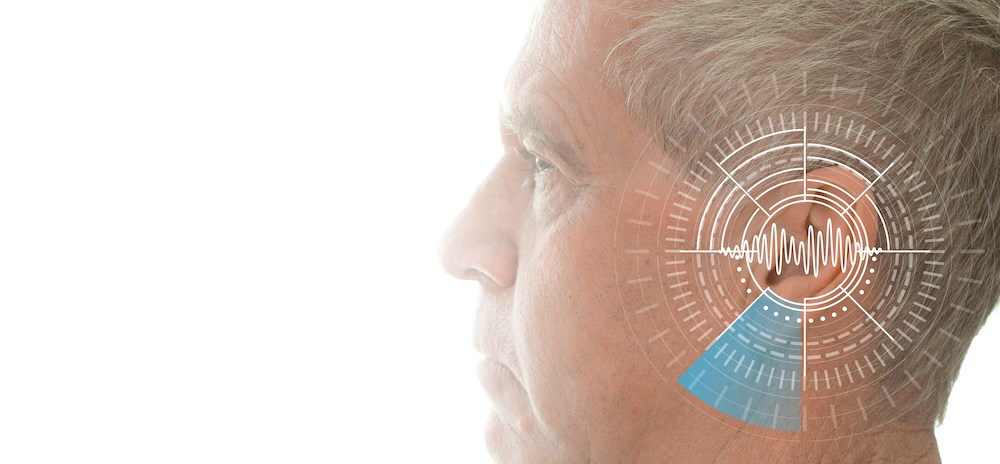
A sweaty August night on Lower Broadway, packed shoulder to shoulder with a band blasting outside, probably left your ears ringing.
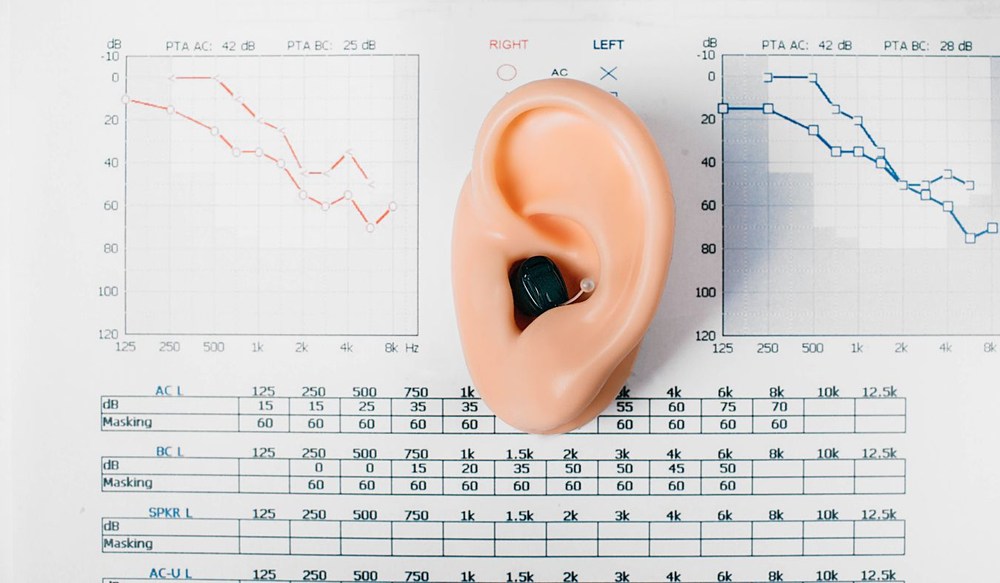
Nashville summers bring that mix of heat and noise together often, and it hits harder if you already deal with tinnitus. A night like that can leave the ringing louder than usual for days afterward.

Heat and stress may not cause tinnitus, but they can make it more noticeable. When you are overheated or dehydrated, changes in circulation can affect how your inner ear feels and functions.

Stress can make things harder in a different way. A tense, alert nervous system is more likely to focus on sounds that would normally fade into the background. That can make ringing or buzzing seem louder during especially hot or stressful days.

Common Tinnitus Triggers That Can Make Symptoms More Noticeable

Tinnitus does not always stay at the same volume or pitch throughout the day. Some people notice that certain habits, environments or physical changes make the sound more difficult to ignore.

These changes can feel unpredictable at first. Looking at what happened before a flare-up may help you recognize patterns and understand which factors tend to affect you most.

Several common triggers may make tinnitus more noticeable:

  • Dehydration can affect circulation and leave the body feeling more strained, which may make tinnitus stand out.
  • Loud noise exposure from concerts, power tools or crowded venues can temporarily aggravate ringing or buzzing.
  • Caffeine may increase tinnitus awareness for some people, especially when intake is higher than usual.
  • Poor sleep or fatigue can reduce your ability to tune out unwanted sounds and make tinnitus feel more intrusive.

A simple record of sleep, hydration, noise exposure and caffeine intake can make those connections easier to spot. That information can also give your audiologist a clearer picture of what you are experiencing.

Why Stress Can Make Tinnitus Sound Louder

Stress does not necessarily cause tinnitus, but it can change how strongly you notice it. When the body is under pressure, heart rate and blood pressure may rise. Muscles around the jaw, neck and shoulders may also tighten.

At the same time, the nervous system becomes more alert to sounds and sensations. That heightened awareness can make ringing, buzzing or humming harder for the brain to ignore. The more attention tinnitus receives, the more intrusive it may seem.

Reducing stress can make tinnitus feel less intrusive. Slow breathing, gentle stretching or spending a few quiet minutes doing something calming can help your nervous system settle. The ringing may still be there, but it can become easier to tune out.

How Nashville Summer Heat Can Make Tinnitus More Noticeable

Greater Nashville summers can be hot, humid and draining. If you spend a lot of time outside, sweating can leave you dehydrated faster than you realize. Heat also changes circulation as your body works to cool itself.

For some people, those changes can make tinnitus stand out more. Headaches, fatigue or dizziness from dehydration can add to the discomfort and make ringing harder to ignore. Humidity itself is not directly pulling fluid from the inner ear.

Drinking water regularly and taking breaks in cooler spaces can help you feel more comfortable during hot weather. If your tinnitus changes suddenly or comes with new hearing symptoms, an audiologist can help determine what is going on.

Daily Habits That May Make Tinnitus More Noticeable

Tinnitus can become more noticeable when several small physical stressors build up during the day. Heat, dehydration, skipped meals and prolonged sun exposure can all leave you feeling worn down. That added strain may make ringing or buzzing harder to tune out.

It can help to pay attention to routines that tend to leave you feeling overheated, tired or lightheaded. A few habits are especially worth watching:

  • Going too long without water, especially during warm weather or outdoor activities
  • Spending extended time in direct sunlight without a chance to cool down
  • Wearing heavy clothing that makes it harder for your body to release heat
  • Skipping meals, which can contribute to fatigue, shakiness or changes in how you feel

Stress Relief Strategies for Tinnitus

When tinnitus becomes intrusive, giving your brain something calmer to focus on can help reduce its hold on your attention. Relaxation does not have to mean sitting in complete silence. In fact, silence can make tinnitus stand out more for some people.

Slow breathing helps ease physical tension and gives your nervous system a chance to settle down. Stretching your jaw, neck and shoulders can loosen up some of that tightness too. Something as simple as a fan or quiet background noise can make the ringing less noticeable.

Sticking to a consistent sleep schedule helps too. Going to bed around the same time each night gives your body more room to recover from stress and fatigue. Pick habits that actually fit your life, since the ones you’ll stick with are the ones that help.

Staying Cool in Nashville’s Summer Heat

Hot summer days ask a lot of your body, especially if you’re outside for long stretches. Staying cool cuts down on excessive sweating and the fatigue that tends to follow. A few small choices throughout the day make the heat a lot easier to deal with.

Look for shade when you can, and stick to lightweight, breathable clothing. Taking breaks indoors gives your body a chance to recover after time in the sun. A cool cloth on your neck or face helps too when it really starts climbing.

Replacing lost fluids matters just as much. Water covers most of your hydration needs, but electrolytes can help after a lot of heavy sweating. Planning outdoor plans for the cooler parts of the day cuts down your heat exposure even more.

None of this treats tinnitus directly, it just supports how your body handles the heat overall. If your symptoms shift a lot during summer, an audiologist can help figure out what else might be going on.

Hearing Habits to Keep Up All Year

Tinnitus might shift with the seasons, but your hearing needs attention no matter what time of year it is. A few consistent habits go a long way toward avoiding unnecessary irritation and preventable damage.

Limiting loud noise is probably the biggest one. Wear hearing protection around loud equipment, concerts or anything else cranked up high. Keep your headphones at a reasonable volume instead of turning them up to drown out everything around you.

Ear care matters too. Skip the cotton swabs and anything else you’re tempted to stick in your ear canal, since that usually just pushes wax deeper or causes irritation. If your ears feel blocked or your hearing seems off, an audiologist can figure out if wax or something else is behind it.

Little habits like these support your hearing no matter the season. They also make it a lot easier to tell when a new tinnitus symptom needs a real look instead of just blaming the weather.

Can Sodium and Weather Changes Affect Tinnitus?

Some people notice that tinnitus changes after certain foods or shifts in the weather. These patterns are highly individual, so a connection that feels obvious for one person may have little effect on another.

Sodium is sometimes discussed because it can influence fluid balance and blood pressure. Salt restriction may also be recommended for people with Ménière’s disease, a condition that can include tinnitus. That does not mean salty food is a universal tinnitus trigger.

Changes in atmospheric pressure may also create sensations of pressure or fullness in the ears. However, weather changes do not affect everyone with tinnitus in the same way. Rather than assuming a particular meal or storm caused a flare-up, look for patterns that happen repeatedly.

Writing down when symptoms change can provide useful context. Include anything unusual about your diet, surroundings or other symptoms so you can discuss those patterns during a hearing evaluation.

When Changes in Tinnitus Deserve Professional Attention

Tinnitus may come and go, change pitch or become more noticeable at certain times. A new pattern is worth discussing when it persists, becomes disruptive or feels distinctly different from what you normally experience.

An audiologist can evaluate your hearing and help determine whether hearing loss or another auditory issue may be contributing. Tinnitus that occurs primarily in one ear or interferes with sleep and concentration also deserves further evaluation.

Some changes require more immediate medical attention. Sudden hearing loss accompanied by tinnitus, ear fullness or dizziness should be treated as a medical emergency rather than monitored at home. Prompt evaluation matters because delaying treatment can reduce its effectiveness.

Keeping track of when the change began and what else you noticed can be helpful during an evaluation. Those details give your care team a clearer starting point for determining what may be happening.

When the Ringing Won’t Let Up

A loud night out or a stretch of stress shouldn’t leave your tinnitus louder for days afterward. Brentwood Hearing Center in Nashville and Brentwood, TN can help you figure out what’s actually driving those flare-ups.

Everyone’s triggers look a little different, so what helps one person might not help you. Call (615) 866-0431 if you’ve noticed a pattern you’d like to better understand, whether it’s heat, noise or just a rough week catching up with your ears.

Schedule An Appointment

Schedule an appointment today with one of our Doctors of Audiology. We’re ready to assist you on your journey to better hearing!